- Apr 8, 2025
Finding the Right Maintenance Check Strategy
- David Lapesa Barrera
Aircraft maintenance is a crucial part of ensuring safety, reliability, and cost-efficiency in airline operations. One of the most important aspects of maintenance planning is structuring maintenance checks effectively. These checks group maintenance tasks at set intervals, enabling operators to manage maintenance efficiently while maximizing aircraft availability.
What Are Maintenance Checks?
A maintenance check is a collection of maintenance tasks performed at scheduled intervals to ensure aircraft remain airworthy. These include Service Checks, A-Checks, C-Checks, and others.
The Maintenance Steering Group-3 (MSG-3) methodology is used during the development of the Maintenance Review Board Report (MRBR) to identify maintenance tasks and determine their initial intervals. When possible, the analysis aligns task intervals with targeted scheduled maintenance check opportunities to support efficient maintenance planning.
The MRBR therefore establishes the minimum scheduled maintenance requirements that form the basis of an operator’s maintenance program. Operators then package these tasks into maintenance checks within their Aircraft Maintenance Program (AMP) according to their operational needs and maintenance planning strategy.
Maintenance checks must always respect the interval limits defined for individual tasks and must never exceed those limits—except under specific circumstances such as permitted variations or exceptional short-term extensions.
Choosing the Right Maintenance Check Concept
Operators must select a maintenance check concept based on their aircraft type, operational needs, and resource availability. Several factors influence this decision, including:
Type of operation (charter, seasonal, scheduled flights)
Maintenance task attributes (scope, thresholds, access, required manpower, equipment, and facilities)
Aircraft age and operational environment (susceptibility to findings)
Maintenance approvals and outsourcing (in-house capabilities vs. contracted maintenance)
Maintenance capacity (staffing, shifts, infrastructure, equipment)
Overall maintenance costs
Each of these considerations helps determine whether the airline should implement a Block, Equalized, or Dynamic maintenance check concept.
Three Maintenance Check Concepts
1. Block Concept
The Block concept organizes maintenance tasks into grouped maintenance checks based on their intervals. This approach involves fewer but larger maintenance events, reducing the frequency of checks while allowing more extensive maintenance tasks to be performed together.
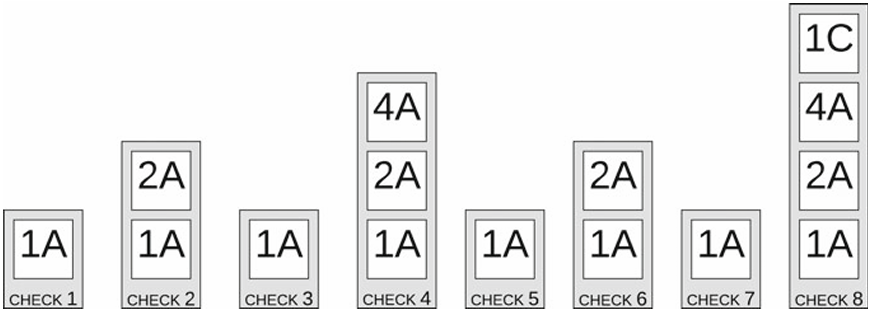
Best for: Aging aircraft, long-haul operations, and large fleets.
Advantages:
Easier planning and scheduling due to fewer maintenance events
Longer maintenance times allow for extensive repairs and modifications
Better overall assessment of aircraft condition
Reduced risk of errors due to repeated accesses
Lower overall man-hours required
Disadvantages:
Reduced aircraft availability due to longer maintenance downtime
Higher maintenance costs
Less optimized interval usage
Workload peaks
2. Equalized Concept
The Equalized concept redistributes maintenance tasks into shorter maintenance checks in order to gain availability for the operation of the aircraft. This concept takes advantage of the time between flights, in which the aircraft is grounded, to perform maintenance.
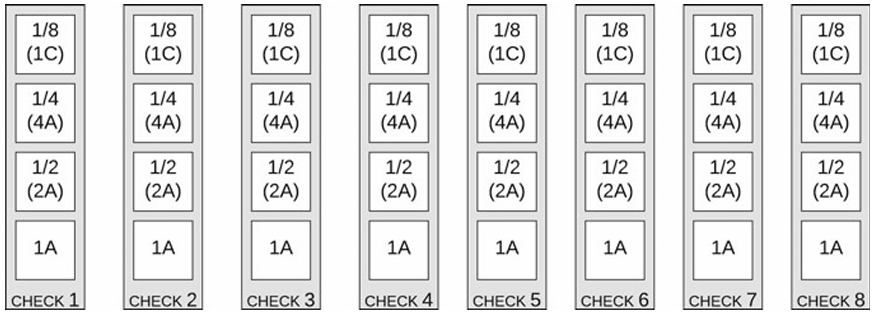
Best for: Newer aircraft, short-haul operations, and small fleets.
Advantages:
Higher aircraft availability
Lower maintenance costs
More efficient use of task intervals
Workload is spread evenly
Disadvantages:
More complex maintenance planning due to frequent maintenance events
Shorter maintenance windows limit opportunities for extensive repairs
Less comprehensive overall aircraft condition assessment
Higher risk of errors due to frequent access
Increased man-hour requirements
3. Dynamic Concept
The Dynamic concept does not package maintenance tasks. Instead, each task is scheduled and performed independently when needed. This approach maximizes flexibility, deferring tasks to fit operational needs until access or workload requirements necessitate a Base/Heavy Maintenance event.
Best for: Operators looking to maximize equalization while maintaining flexibility.
Advantages & Disadvantages: This concept amplifies both the benefits and drawbacks of the Equalized approach. It allows for even greater aircraft availability and cost efficiency but also increases complexity, planning difficulties, and maintenance execution risks.
Finding the Right Fit for Your Airline
Selecting the right maintenance check concept requires balancing operational efficiency, aircraft availability, maintenance capacity, and cost considerations. While the Block concept concentrates work into fewer but longer maintenance events, the Equalized and Dynamic concepts distribute tasks more frequently to increase aircraft availability.
There is no universal solution. The optimal approach depends on the airline’s operational profile, fleet characteristics, and maintenance capabilities. Understanding how these concepts work is essential for designing maintenance programs that support both continuing airworthiness and efficient operations.
Learn more about Aircraft Maintenance Programs →
Author
David Lapesa Barrera is the founder of The Lean Airline® and author of The Lean Airline: Flight Excellence and Aircraft Maintenance Programs. His work focuses on lean management, operational excellence, and continuing airworthiness.