- Oct 22, 2025
The Next Frontier in Aviation Safety: Safety Intelligence
- David Lapesa Barrera
Every aviation organization collects safety data—occurrence reports, flight statistics, maintenance logs, operational notes. But what turns this data into real safety improvement is not the quantity of information collected, but how it’s understood, shared, and applied.
That process is known as Safety Intelligence.
What Is Safety Intelligence?
Safety Intelligence goes beyond traditional safety management. It connects safety data, operational knowledge, and organizational learning to support better decisions and safer operations.
The ICAO Safety Intelligence Manual (Doc 10159) provides a comprehensive framework to help organizations move from collecting safety data to using it strategically. The approach is simple in concept but powerful in practice: gather information from across the system, make sense of it through analysis and governance, and use it to guide meaningful action.
The Foundations
Every organization’s journey with Safety Intelligence begins with understanding its purpose and structure. It’s about developing a strategy for how safety information will be used, not just stored. The Safety Intelligence Cycle provides a framework for continuous improvement, linking information gathering, processing, analysis, and feedback into everyday decision-making.
When done well, this creates a Safety Intelligence Function, a defined process and culture within the organization that ensures safety information leads to learning, not just reporting.
Learning from All Operations
Safety Intelligence also expands how we think about safety data. It’s not limited to what happens when things go wrong.
Instead, it emphasizes learning from all operations—the routine flights, maintenance tasks, and daily activities that go right.
By understanding normal performance, organizations can identify weak signals, uncover hidden risks, and strengthen their systems before incidents occur.
This requires consistent data collection and reporting mechanisms, protection of sensitive information, and systems such as Safety Data Collection and Processing Systems (SDCPS) to ensure data is reliable, comparable, and used responsibly.
Governing Safety Data
Effective Safety Intelligence depends on strong data governance. Governance defines how safety data is managed, who is responsible for it, and how it’s shared across departments. It also ensures data is standardized, well-documented through metadata, and protected appropriately.
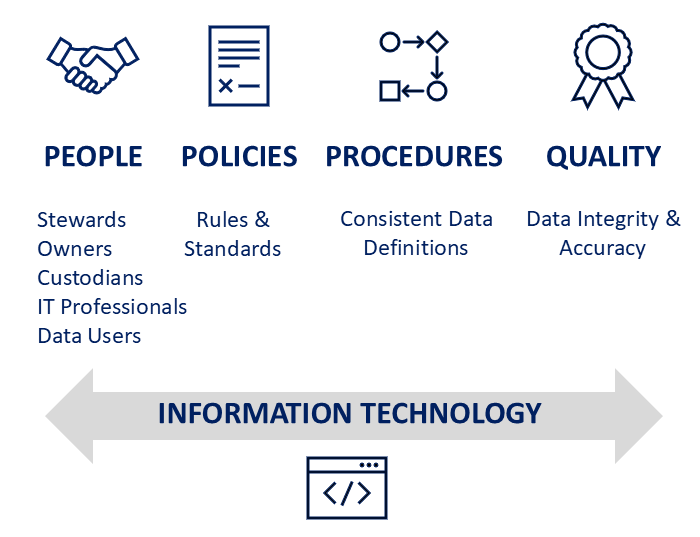
Strong governance allows organizations to connect data from different sources, improving both quality and trust. Without it, even the best analysis can lead to misleading or incomplete conclusions.
Making Sense of the Data
Once data is properly collected and governed, the next step is analysis, the point where information becomes intelligence.
Analysis helps identify patterns, relationships, and emerging risks. Techniques range from basic statistical summaries that show what has happened, to deeper methods that explore why it happened and what could happen next.
Modern tools, including Artificial Intelligence, can support this process by highlighting trends across large or complex datasets, grouping related reports, or spotting deviations that might otherwise go unnoticed. Still, the human role remains central: experience, judgment, and context are essential to interpret results correctly and decide what actions to take.
Decision-Making with Safety Intelligence
The final step is decision-making. Insights only matter if they influence choices.
Safety Intelligence supports Data-Driven Decision-Making (D3M), a structured approach endorsed by ICAO that ensures information is used systematically to improve safety. It also recognizes the importance of balancing data insights with human expertise. Numbers can show patterns, but people bring understanding of operational realities, trade-offs, and values that shape good decisions.
Together, these elements form a loop: collecting data, ensuring its quality, analyzing it, and applying what’s learned to continuously improve safety performance.
Safety Intelligence allows aviation organizations to move from simply collecting safety data to understanding it and using it to improve decisions and operational performance.
Learn more about Safety Intelligence and aviation safety management →
Author
David Lapesa Barrera is the founder of The Lean Airline® and author of The Lean Airline: Flight Excellence and Aircraft Maintenance Programs. His work focuses on lean management, operational excellence, and continuing airworthiness.