- Feb 12, 2025
SWISS People’s Aircraft: Recognition Can Fly!
- David Lapesa Barrera
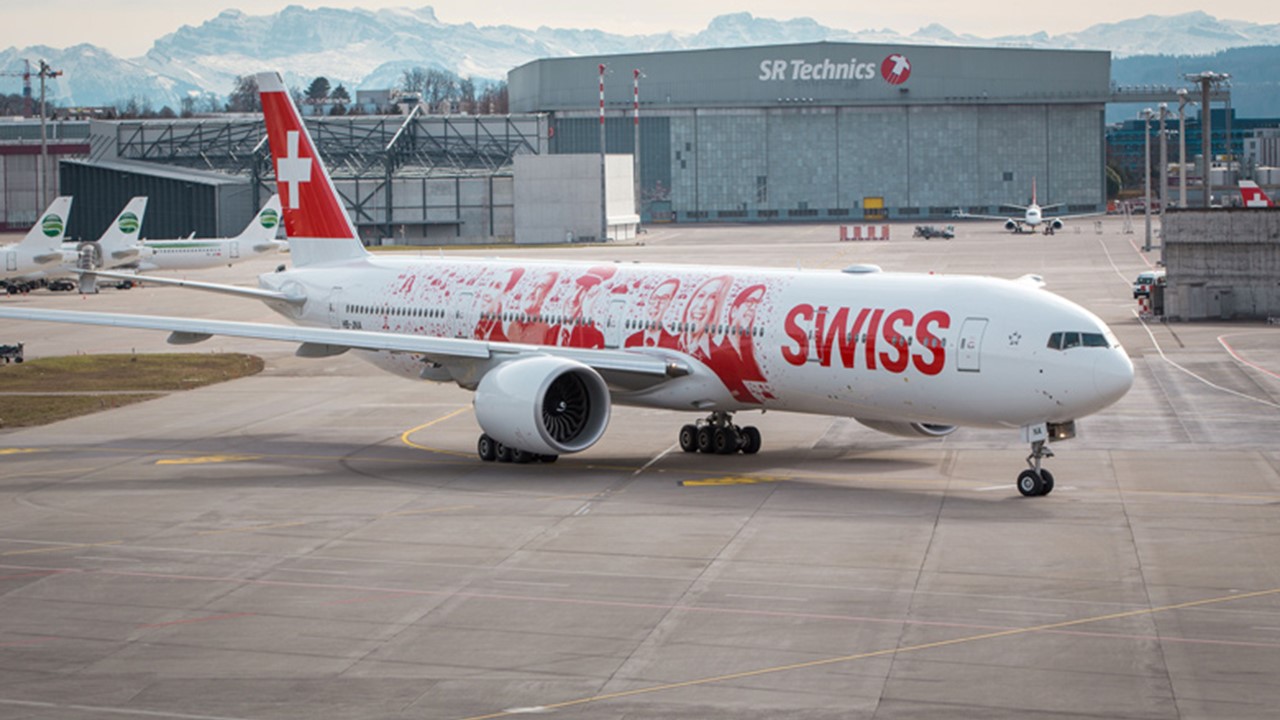
In 2016, Swiss International Airlines unveiled its first iconic Boeing 777-300ER, featuring the Faces of Swiss livery. This bold initiative, showcasing over 2,500 employee portraits, became a symbol of recognition, earning the affectionate nickname Peoples Plane. Faces from diverse departments—cabin crew, pilots, technicians, HR, IT, marketing—were proudly displayed, celebrating the people who drive the airline’s success.
During my time at Swiss, I witnessed how recognition is far more than a gesture; it’s a commitment. A commitment to continuously showing employees that their efforts matter—individually and collectively. Recognition fosters a sense of pride, connection, and motivation, pushing teams to consistently perform at their peak.
What is Recognition and Why it Fuels Continuous Improvement
Recognition refers to acknowledging and appreciating the efforts, achievements, or contributions of individuals or teams. This powerful tool ignites motivation, fosters collaboration, and drives continuous improvement. When employees feel seen, heard, and valued, they become more invested in their work and more dedicated to the organization's success. Recognized employees are empowered to innovate, collaborate, and deliver results.
The Emotional Power of Recognition
Recognition has a profound emotional impact. It connects employees to the company’s mission in a meaningful way. When employees feel their contributions are valued, they become more committed, enthusiastic, and motivated to perform at their best.
The "Faces of Swiss" livery was a vivid reminder to every employee that their efforts mattered. It wasn’t just about the faces on the plane—it was about recognizing everyone behind the scenes. The outcome? A culture of excellence, where every individual felt empowered to give their best.
Building a Culture of Recognition
Leaders can cultivate a culture of recognition by incorporating it into their daily practices. Here are actionable strategies that drive results:
Acknowledge Everyday Efforts: Small, consistent acts of recognition can have a massive impact. A simple “thank you” reinforces positive behaviors and motivates employees to strive for excellence.
Celebrate Achievements Publicly: Recognizing milestones through team shout-outs, social media features, or visible celebrations motivates the team to reach new heights.
Align Recognition with Company Values: Ensure recognition ties into the broader organizational mission. When employees see their work aligning with company goals, they feel a deeper connection and purpose.
Be Consistent and Authentic: Authentic recognition builds trust and loyalty. Consistent recognition fosters engagement and long-term employee satisfaction.
By celebrating contributions regularly, leaders spark motivation, encourage innovation, and drive continuous improvement. This culture fuels high performance, engagement, and success.
Recognition as a Strategic Tool
Recognition isn’t just a nice-to-have—it's a strategic asset. Without it, motivation can stall, and engagement can drop. But when recognition is integrated into your organizational culture, it becomes a catalyst for growth, development, and success.
Recognition doesn’t just enhance individual performance; it boosts overall organizational performance. It creates an environment where teams innovate, optimize processes, and consistently strive for excellence. And when employees feel valued, they become your most loyal advocates, driving success from within.
In the next article in this series, we will explore the role of rewards—the tangible benefits provided for performance or achievements. While rewards can be motivating, over-reliance on them can sometimes create unhealthy competition rather than collaboration. Understanding the balance between recognition and rewards is key to building a sustainable high-performance culture.
Learn more about developing Lean employees and leading a culture of continuous improvement →
Author
David Lapesa Barrera is the founder of The Lean Airline® and author of The Lean Airline: Flight Excellence and Aircraft Maintenance Programs. His work focuses on lean management, operational excellence, and continuing airworthiness.