- Mar 5, 2025
Error-Free Airlines: The Poka-Yoke Way
- David Lapesa Barrera
We’ve all tried to plug in a USB cable the wrong way. Early USB designs, like USB-B and Mini USB, allowed for two connection options—one right and one wrong. It was easy to make mistakes, even damaging the port. Then came USB-C, which can only be plugged in one way. This is a great example of Poka-Yoke, a Japanese term that means “error-proofing".
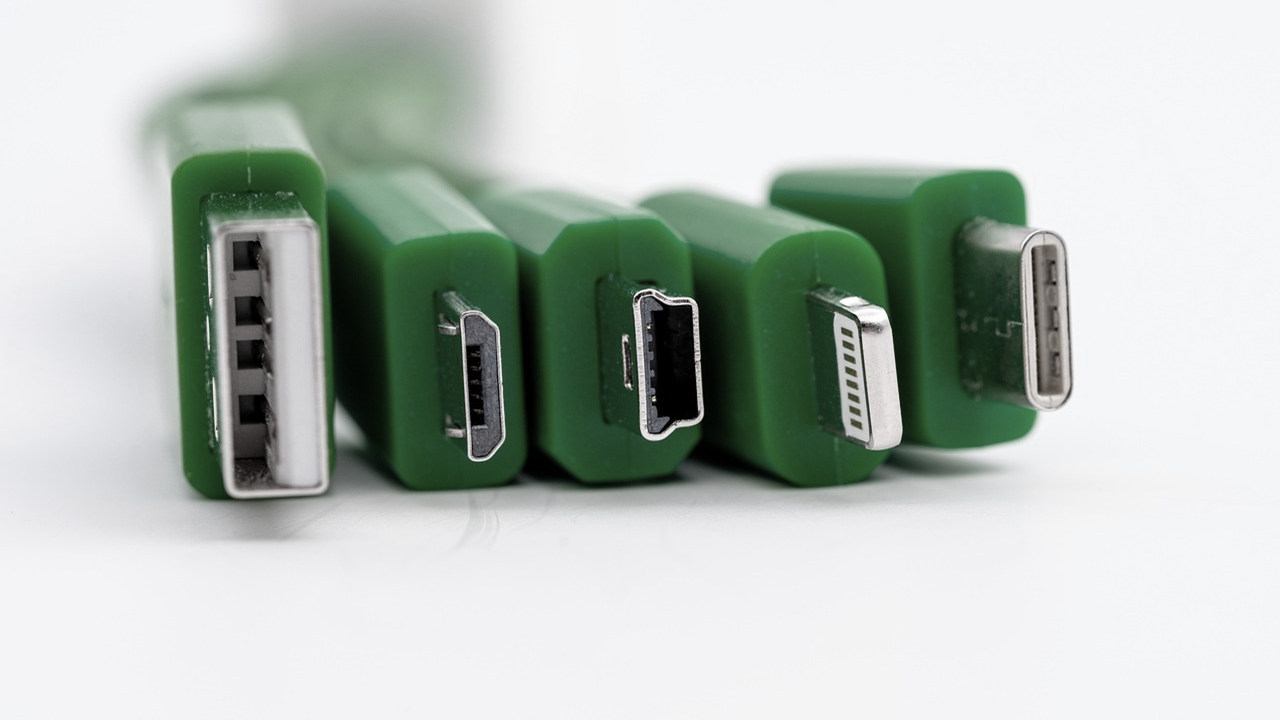
Originally called Baka-Yoke (fool-proofing), the term was changed to Poka-Yoke (error-proofing) to convey a more neutral meaning. In simple terms, it’s about designing systems, devices, or processes in a way that makes it impossible (or very difficult) to make a mistake.
Poka-Yoke applies not only to devices but also to systems and processes, especially in industries like aviation, where even small mistakes can have catastrophic consequences. Whether it’s in data entry, flight scheduling, or maintenance, errors can lead to major issues, including safety risks, legal troubles, and financial loss.
By designing error-proof systems and processes, we can prevent these mistakes and improve safety, compliance, and overall efficiency.
Applying Poka-Yoke in Airline Operations
In aviation, error-proofing can apply across multiple systems and operational processes. Some have built-in capabilities for error prevention, while others require activation or additional measures to function effectively. Just think about this:
Flight Scheduling & Crew Management: Automated duty-time limits prevent scheduling crew beyond legal working hours. Crew rostering systems block assignments if required rest periods aren’t met. Rules ensure pilots cannot be scheduled on aircraft they are not certified to operate.
Central Reservation & Online Booking Systems: Booking engines block incomplete or incorrect passenger details (e.g., missing passport expiration date). Seat selection prevents double-booking by instantly updating availability. Fare rules prevent incorrect ticket pricing due to manual entry errors.
Maintenance Information System: Only certified and airworthy parts can be issued for installation, preventing the use of unauthorized components. System restrictions ensure maintenance tasks are assigned only to qualified technicians.
Cargo Management System: Weight limits are enforced automatically, preventing overloading. Dangerous goods classification software ensures compliance by blocking incorrect or missing hazard declarations.
Flight Planning & Navigation Systems: Route planning tools prevent selection of restricted or closed airspace. Performance calculation software ensures correct fuel and weight inputs to avoid unsafe flight plans.
Fleet & Slot Management: Aircraft scheduling tools prevent slot conflicts by cross-checking airport slot approvals. Fleet assignment systems ensure aircraft are allocated according to operational range and capacity requirements.
These are just few examples. But, don't you think if airlines examined each of their systems and processes and embraced error-proofing, it would make operations safer and more efficient?
How to Implement Poka-Yoke
Implementing Poka-Yoke in airline operations doesn’t need to be complex. Here’s how you can start:
Identify Potential Errors: Review processes to find where mistakes are most likely to occur—whether during data entry, flight scheduling, or maintenance.
Analyze the Root Causes: Understand the reasons for these errors. Are they due to system limitations or human oversight?
Design Simple Solutions: The beauty of Poka-Yoke is its simplicity. Create straightforward solutions like automated checks or data validation rules.
Test and Implement: Test the solutions to ensure they work, then integrate them into your daily operations.
Continuous Monitoring: Continuously monitor the system to address new errors and refine processes as needed.
Building a Culture of Quality
For Poka-Yoke to be effective, it’s not just about the technology—it’s about people too. Train your team to spot potential errors and empower them to implement solutions. By fostering a culture of continuous improvement, where employees feel comfortable suggesting changes, you can maximize the impact of Poka-Yoke.
Conclusion: Poka-Yoke and Jidoka—Complementary Approaches
While a perfect, mistake-proof system might seem ideal, achieving it in practice is challenging. Poka-Yoke helps prevent errors, but it doesn't eliminate the need for quality control entirely.
Other methods, like Jidoka, complement Poka-Yoke by autonomously detecting errors and signaling for human intervention when necessary. These systems work together to ensure that errors are caught and addressed before they escalate.
Despite being a highly technological industry, airlines still rely on spreadsheets for many data-related processes not fully covered by specialized systems. While spreadsheets can complement existing systems or bridge gaps in data management, they often introduce errors. In an upcoming article, we’ll explore how Poka-Yoke can reduce errors in spreadsheets.
Learn to embed quality at the source and prevent defects with Poka-Yoke and Jidoka →
Author
David Lapesa Barrera is the founder of The Lean Airline® and author of The Lean Airline: Flight Excellence and Aircraft Maintenance Programs. His work focuses on lean management, operational excellence, and continuing airworthiness.